What Miami Homeowners Need to Know About R-410A Phase-Out
Published: 2026-06-19 · By Freezio AC Repairs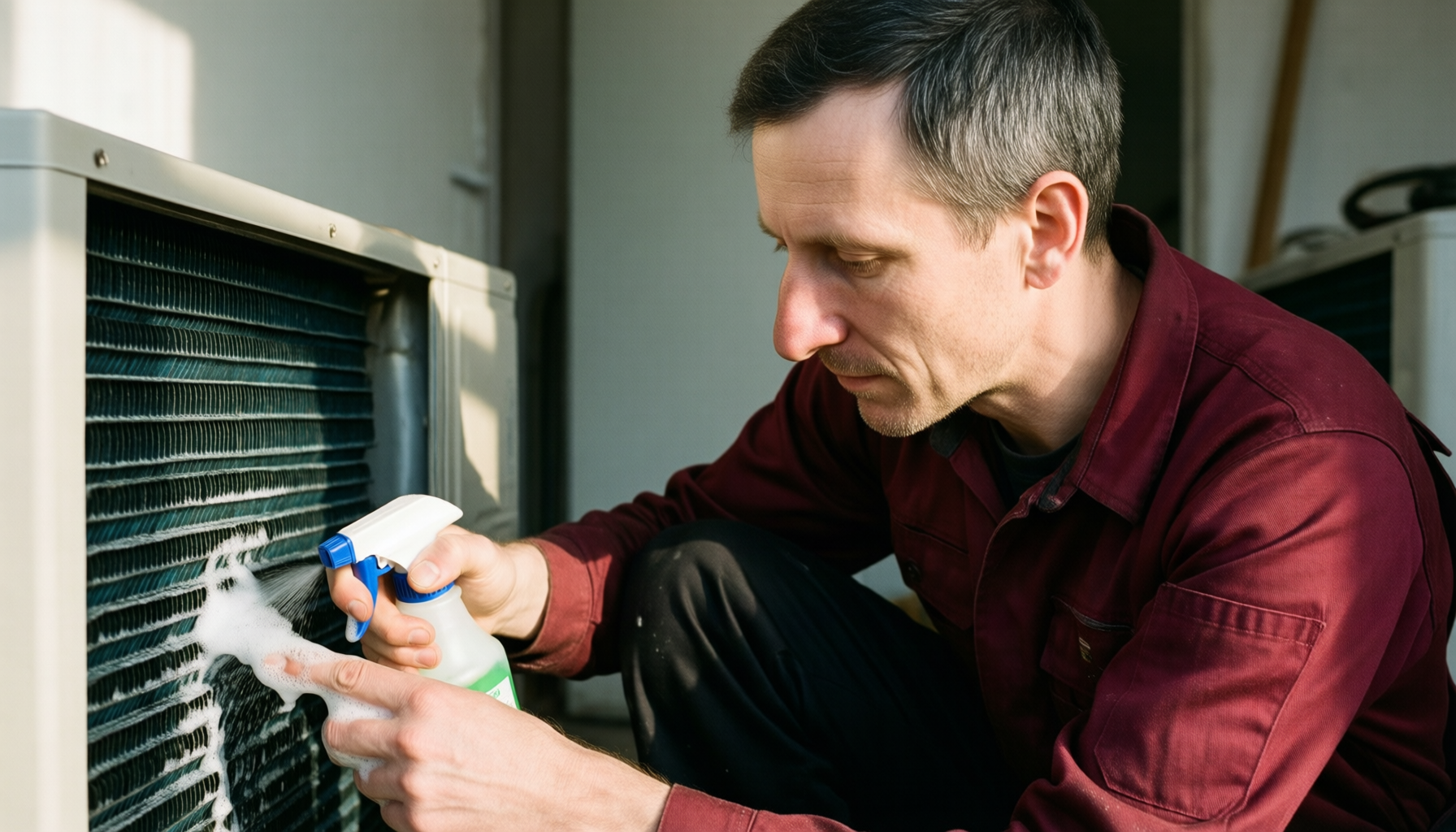
As a Miami homeowner, you know that the tropical climate demands reliable air conditioning. With the heat and humidity, a functional HVAC system isn't just a luxury—it's a necessity. However, looming regulations regarding R-410A refrigerant pose significant challenges for many property owners. While you might feel comfortable in your current setup, understanding the mechanics behind these changes is crucial to ensure the longevity and efficiency of your AC system.
Why This Matters for Miami Homeowners
In Miami, the unique environmental conditions, including high humidity and corrosive salt air, require HVAC systems that can withstand the elements. With the impending phase-out of R-410A refrigerant, homeowners face the prospect of upgrading or replacing their systems. This is essential not only for compliance with new regulations but also to maintain energy efficiency.
The threat of tropical storms or hurricanes further exacerbates the situation. Traditional systems using R-410A may not perform adequately in these severe weather conditions, leading to potential damage and loss of cooling capability during critical times when homeowners need it most.
Furthermore, the cost of replacing your current unit can be significant, often ranging between $3,000 to $7,000. Understanding these implications helps you prepare for a possibly costly upgrade while ensuring your home remains comfortable and cool.
Expert Solutions & Actionable Tips
1. Understand the Cost Implications
Transitioning from R-410A to newer refrigerants like R-32 can incur significant costs. Homeowners should anticipate spending $4,000 to $8,000 for a complete AC unit replacement. Accurate budgeting is essential, especially with Miami's higher living costs.
Researching available financing options can help ease this initial financial burden. Some local contractors may provide special financing for system upgrades.
2. Don't Delay Your Upgrade
With phase-outs taking effect soon, it's critical to plan ahead. Waiting too long could result in higher costs and fewer replacement options. Engaging in early consultation may, in fact, provide you with more flexibility in choosing a system that fits your needs.
Assess your current unit's age and condition to determine if an immediate upgrade is necessary. Many older units may not be equipped to handle the new refrigerants efficiently.
3. Consider Energy Efficiency Ratings
When replacing your HVAC system, pay attention to the SEER (Seasonal Energy Efficiency Ratio) ratings. In Miami, the best practice is to choose units with ratings of 15 or higher. While they may cost more initially, higher efficiency will save on energy bills long-term.
Reviewing performance ratings can help ensure your new system copes well with Miami’s humidity and heat, reducing maintenance frequencies and energy costs.
4. Stay Informed About Local Regulations
Understanding local codes can help you manage your HVAC replacement compliance. Check in with the Miami-Dade County regulations as they evolve to ensure your new system meets required standards.
Regular updates from the county website or HVAC associations can provide necessary information about any new incentive programs or rebates for energy-efficient systems, which could help lessen replacement costs.
5. Choose the Right Contractor
Selecting a qualified HVAC contractor in Miami plays a vital role in ensuring your AC unit is installed properly. Look for licensed professionals who have experience with R-410A alternatives and local environmental considerations.
Request quotes and check references to ensure you engage a contractor aligned with your specific needs, especially given the tropical climate's demands.
6. Maintain Your Unit Regularly
After installation, it's essential to maintain your HVAC system annually to optimize efficiency. Engage a technician familiar with the new refrigerant types and techniques that will benefit your unit's performance in Miami's unique climate.
Regular maintenance can include cleaning ducts, checking refrigerant levels, and ensuring components are corrosion-resistant against Miami's salty air.
Miami Climate & Local Context
Miami's climate is characterized by high humidity and temperatures that can drive up cooling demands significantly. Homes often experience accelerated wear due to salt air corrosion, especially in metal fixtures related to HVAC systems. Understanding these environmental challenges is key for homeowners looking to optimize their comfort and system longevity.
Florida's building codes may also impact how HVAC systems should be installed. Local regulations require moisture barriers and elevated housing designs that help combat humidity, ensuring safety and durability. It's important to align your HVAC choices with these specifications to avoid future compliance issues.
When to Call a Professional
Deciding between a DIY fix or hiring a professional can be tricky. Some minor tasks, like changing filters or cleaning drainage lines, are manageable for homeowners with the right tools. However, significant issues, especially involving refrigerants, should always be left to trained professionals.
- Your AC unit is leaking refrigerant.
- There are strange noises or smells coming from the unit.
- Cooling is inconsistent throughout your home.
- Your energy bills have spiked without explanation.
- It’s been a long time since your last maintenance.
- Frequent repairs are needed for the system to work.
In these scenarios, taking immediate action can prevent more significant problems and expenses in the long run.
Frequently Asked Questions
What should I do if my AC uses R-410A?
If your AC unit uses R-410A, consider scheduling an inspection to assess its current efficiency and future needs. Upgrading may soon be necessary, especially in light of regulatory changes.
How can I prepare for an AC replacement?
Begin by reviewing your HVAC system’s performance and age. Research efficient alternatives and gather quotes from local contractors familiar with the new refrigerants that will be required.
What is the impact of humidity on HVAC systems?
High humidity levels can reduce the efficiency of your HVAC system and lead to increased wear and tear. Systems must be adequately equipped to manage moisture to function correctly in Miami.
Are there any incentives for upgrading my AC system?
Local programs may offer rebates or financial incentives for upgrading to energy-efficient systems. Check with Miami-Dade County regulations and local contractors for current offerings.
How often should I maintain my HVAC system?
It's advisable to have professional maintenance performed at least once a year to ensure your system operates efficiently and to extend its lifespan, especially considering Miami's climate.
Get Expert HVAC Service in Miami
As Miami homeowners navigate the inevitable phase-out of R-410A, staying informed and proactive is critical. Contact Freezio AC Repairs for assistance in evaluating your HVAC system and exploring your options with the new regulations.
Don't let the changes catch you off guard—call Freezio AC Repairs today at (645) 237-1103 to ensure your home remains cool and comfortable.